Seasonal Design
Winter Cascade
Built around bare branches and white hellebores. The challenge was creating movement without color.
Each piece here started as a question from a student who wasn't sure where to begin. Some became centerpieces for weddings, others filled gallery spaces, but all of them reflect the moment when technique became instinct.
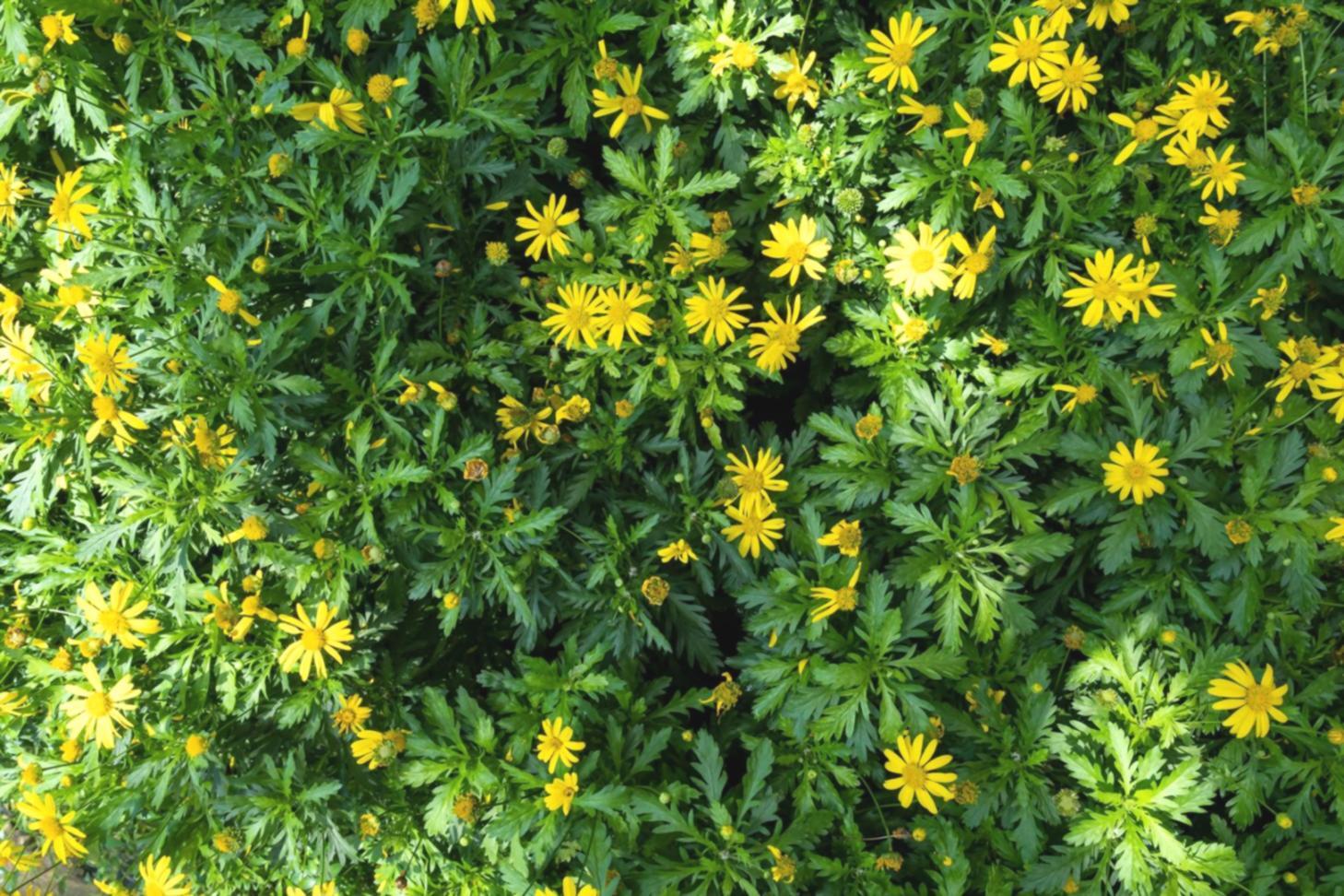
These arrangements came from students who learned to trust their own sense of balance. They stopped asking if something was correct and started asking if it felt right.
Built around bare branches and white hellebores. The challenge was creating movement without color.
Garden roses anchored with unexpected foliage weight on one side. Took three attempts to get the tension right.
Only white and cream blooms, but five different petal textures. Proves that restraint creates more interest than variety.
Orchids and wire creating an illusion of weightlessness. The mechanics took longer to solve than the design itself.
Everything sourced from a single field walk. The arrangement honors how the plants grew together naturally.
Tall grasses and delphinium creating a skyward pull. Required rethinking how stems support each other at height.
We spend time looking at how stems naturally bend, where leaves cast shadows, which colors shift in different light. The arrangement begins before you touch anything.
One element sets the visual weight and defines the space. Everything else responds to that first decision. Get this wrong and the whole piece feels uncertain.
Flowers placed too evenly create boredom. Placed with intention, they create a conversation. The goal is balance that feels earned, not automatic.
Most arrangements fail because they go one stem too far. We teach students to recognize the moment just before completion, then walk away.

I came in thinking I'd learn rules. Instead I learned to see what was already there. Now when I walk through a garden, I notice relationships between plants I never saw before. That shift changed everything.Ingrid Valtonen