Teach decision-making, not templates
Students learn to assess available materials and make informed choices rather than following fixed recipes. We present problems with multiple valid solutions and explain the trade-offs of each approach.
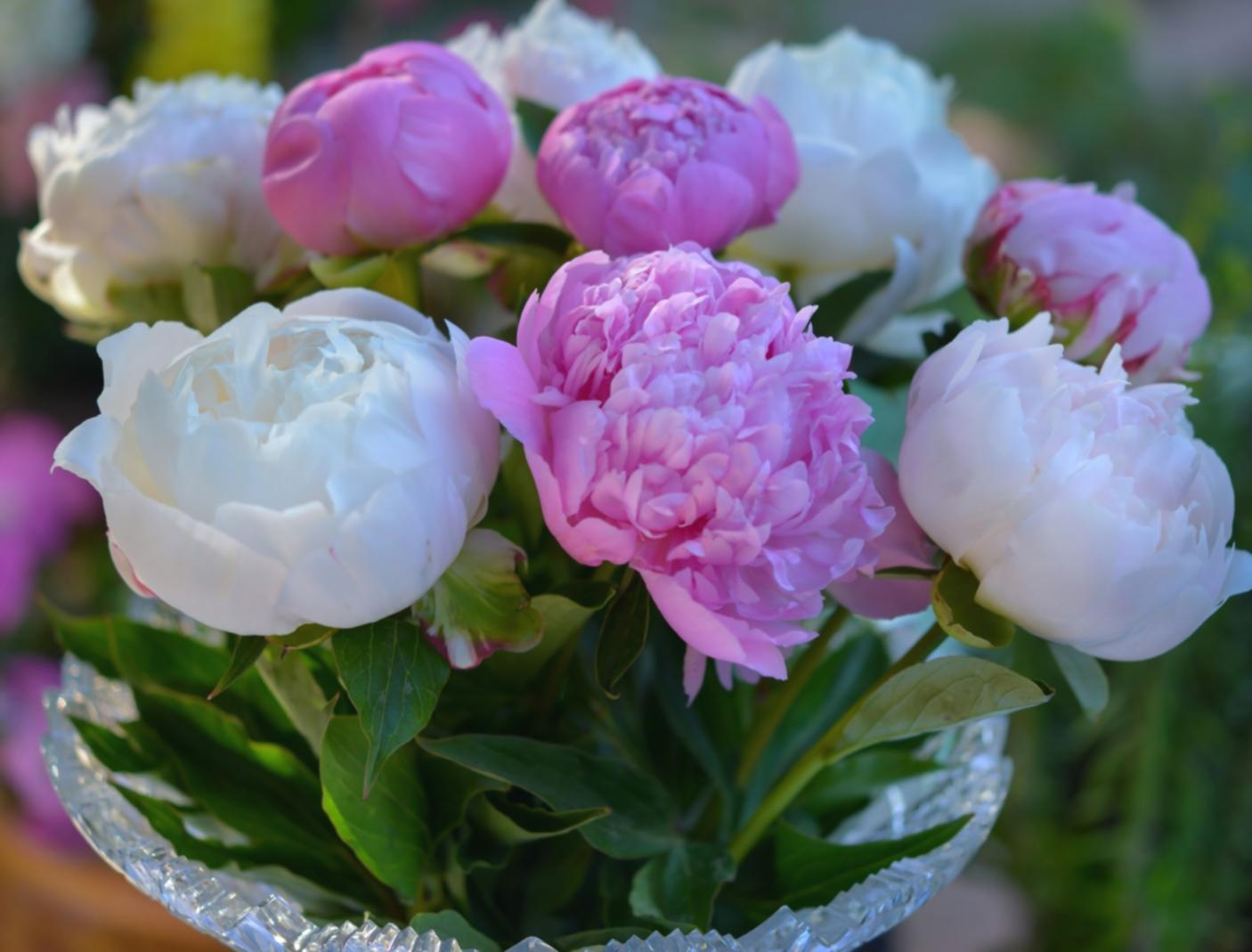
We started because traditional floral courses felt disconnected from how people actually learn. Most programs focus on memorizing arrangements without explaining why certain combinations work or how to adapt techniques when materials change.
Our courses grew from workshops held in a small studio in Lutsk, where students would bring whatever flowers they found at the market. That constraint forced us to teach principles instead of formulas—how to balance weight, read color relationships, and make decisions when the exact bloom you planned for isn't available.
Now we run structured online programs that combine recorded lessons with live feedback sessions. Students work through seasonal modules, submit photos of their arrangements, and receive detailed critiques that help them see what's working and what needs adjustment.
These aren't abstract values—they're the decisions we make when designing lessons, choosing assignments, and structuring feedback.
Students learn to assess available materials and make informed choices rather than following fixed recipes. We present problems with multiple valid solutions and explain the trade-offs of each approach.
All assignments use flowers that are actually available during that month. This forces students to adapt techniques to real conditions instead of assuming ideal materials will always be on hand.
Generic praise doesn't help anyone improve. Our instructors point to exact elements in submitted photos—stem placement, color balance, visual weight—and explain what's working or what could be adjusted.
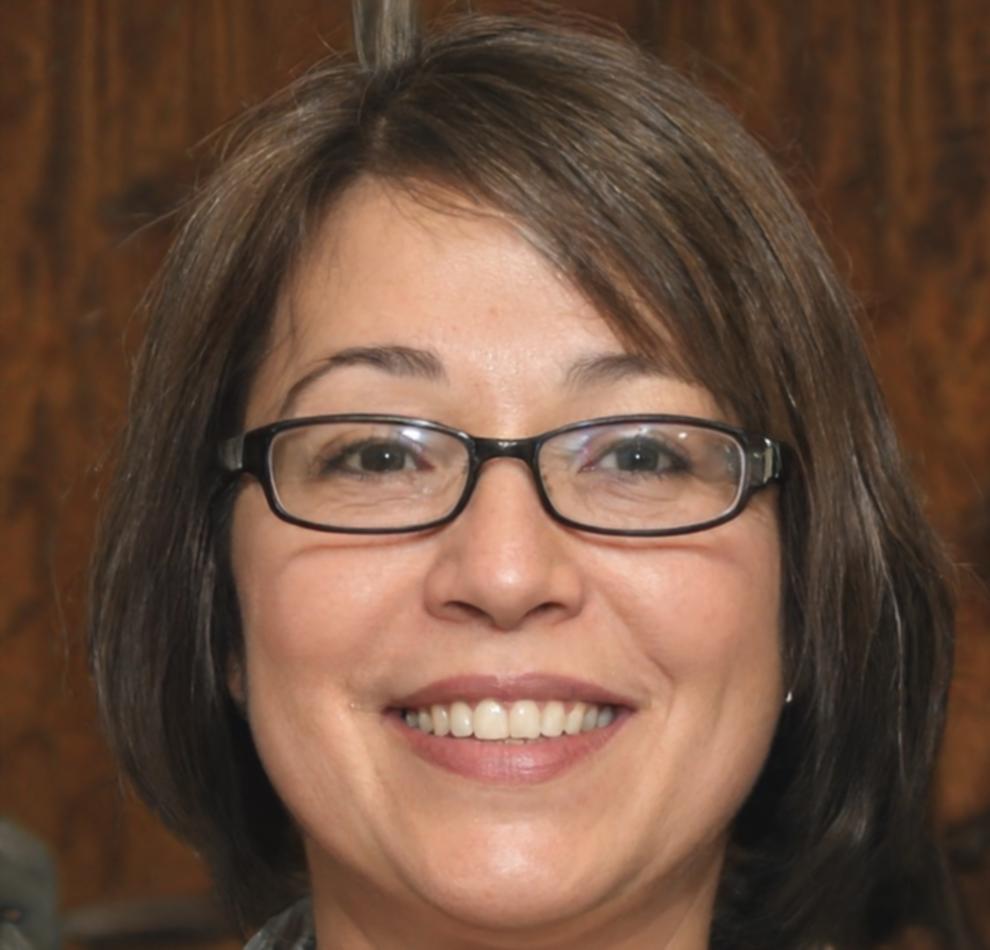
Olenka has spent over a decade working with seasonal blooms and teaching students to see the structure behind natural beauty. She designs all core curriculum modules and reviews advanced student submissions.
Dmytro manages the online platform, schedules live sessions, and ensures video content is clear and accessible. He also handles student questions about course logistics and assignment submissions.
Students start with basic techniques—how to condition stems, build a stable base, and understand color temperature. Each lesson includes a short assignment that isolates one specific skill.
Once fundamentals are solid, students move into monthly projects that use flowers available during that season. They submit photos of their work and receive written feedback within 48 hours.
Twice a month, instructors host video calls where they review student arrangements in real time. These sessions let students ask follow-up questions and see how others approached the same assignment.
Advanced students compile their strongest work into a digital portfolio. Instructors help refine presentation and suggest which pieces best demonstrate technical skill and creative judgment.
In-person workshops are valuable, but they're limited by geography and schedule. Students outside Lutsk couldn't attend, and those with irregular work hours had to skip sessions.
Moving online let us reach students across Ukraine and structure lessons so people could work at their own pace. Recorded videos mean you can rewatch a technique until it makes sense, and written feedback gives you something concrete to refer back to.
We still hold live sessions for real-time discussion, but the asynchronous format removes barriers that kept many people from learning this skill.
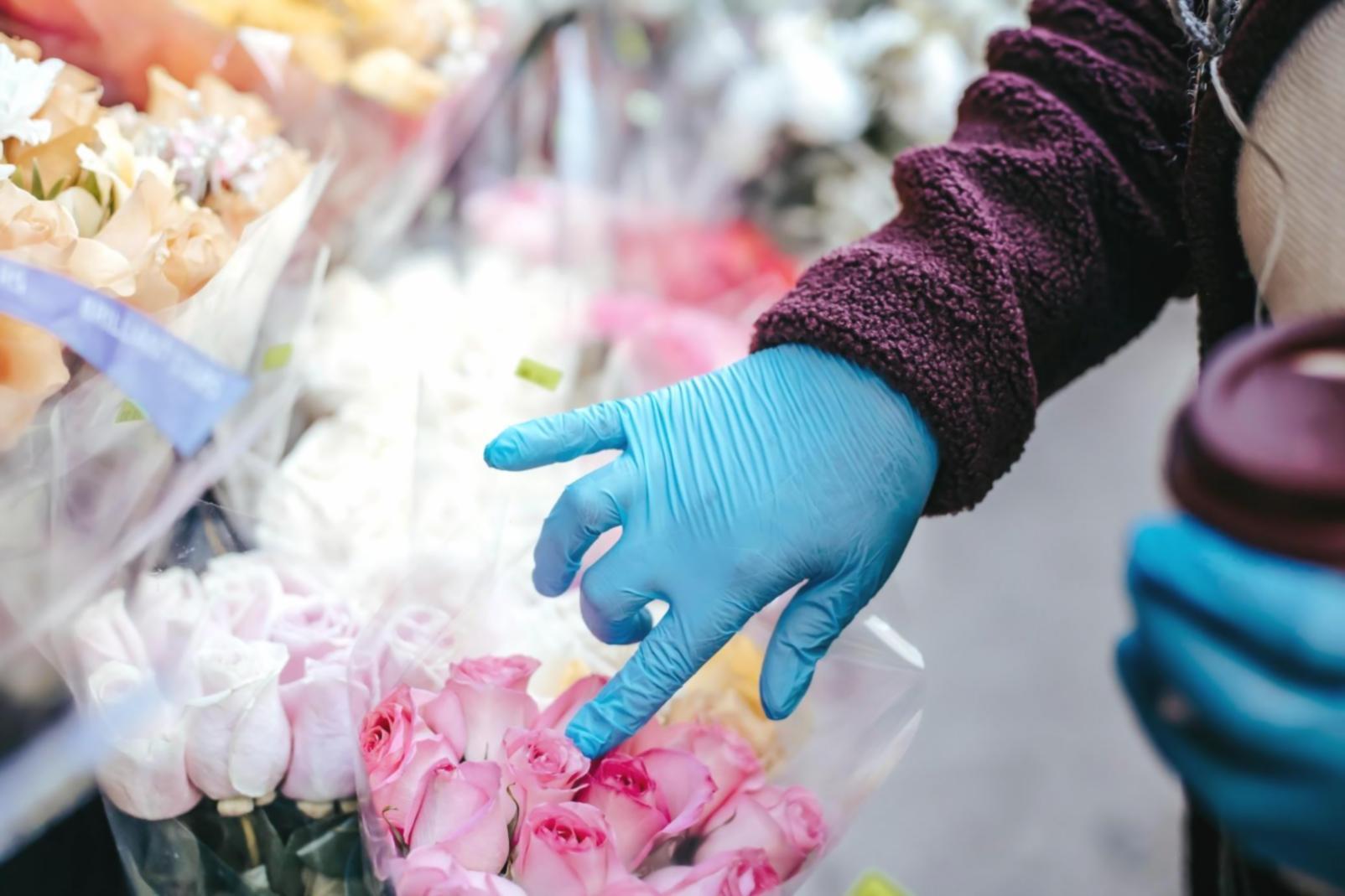
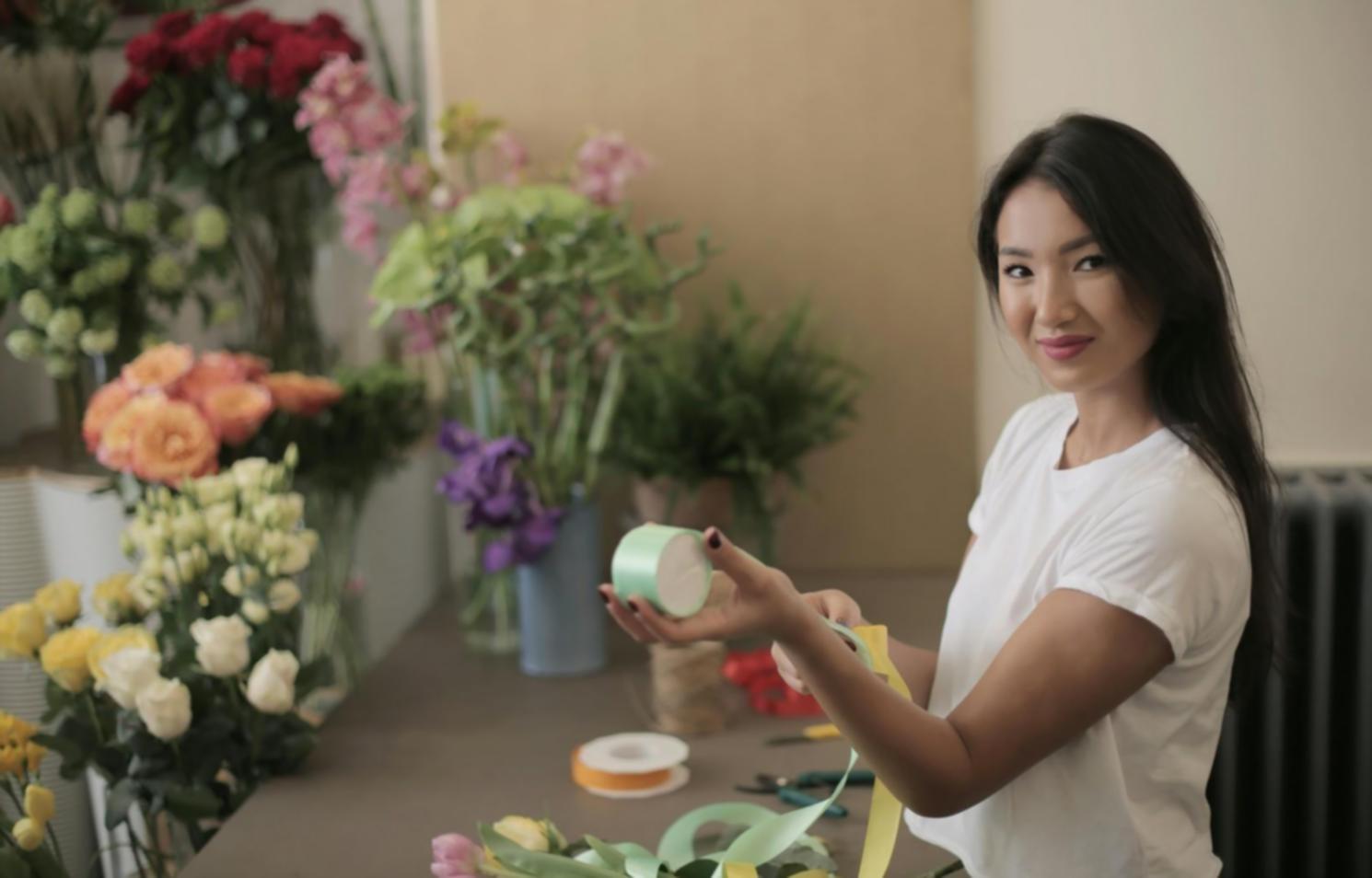
We focus on building judgment rather than memorizing steps. These are the core elements that shape how we teach.
We don't tell students exactly what to fix. Instead, we point out what's happening in their arrangement and ask questions that help them see the issue themselves. This builds independent problem-solving.
We don't promise mastery in weeks. Our full program runs six months because that's how long it takes to work through seasonal variations and build muscle memory for essential techniques.
Assignments specify flower types but not exact varieties. If a student can't find ranunculus, they learn to substitute something with similar form and texture. This adaptability is more useful than perfect execution with ideal materials.
Every video lesson includes a written summary with key points and common mistakes. Students can quickly reference these notes without rewatching entire videos when they need a specific detail.