Floral arrangement workspace with fresh blooms and design tools

Learning that builds toward something visible

What starts with technique becomes a body of work you can show. We teach floral arrangement through structured lessons that connect to real opportunities in the field.

Who finds this useful

  • You already arrange flowers occasionally

    Maybe for family events or small gatherings. The lessons here assume you know what fresh blooms look like and have held clippers before.

  • You can commit to practice between sessions

    Each module requires hands-on work with real materials. Progress depends on repetition outside of instruction time.

  • You want structure without rigid timelines

    Courses are paced but flexible. You move forward when the work is ready, not when a calendar says so.

  • You need feedback from someone who does this professionally

    Self-teaching hits a ceiling. Direct critique from working florists helps you see what you miss on your own.

What happens after the course ends

  • Portfolio development support

    We help you document finished work in a way that clients and employers actually look at. Photography guidance included.

  • Access to supplier networks

    Wholesale flower sources don't advertise publicly. Graduates get introductions to vendors who work with independent designers.

  • Ongoing project review

    Submit new arrangements for feedback even after formal lessons conclude. The learning relationship continues as long as it's useful.

  • Placement assistance when you're ready

    Studios and event companies reach out when they need freelancers. We pass those opportunities to graduates whose work fits the brief.

The one thing that stops most people

It's not the cost of materials or the time commitment. It's the fear that what you make won't look like what you pictured.

That gap between vision and execution is where most people quit. They assume it means they lack talent, when it actually means they need better technique and more repetition.

Every florist who works professionally has made arrangements that looked clumsy or unbalanced. The difference is they kept going and learned to diagnose what went wrong.

We teach you how to see your own work critically without getting discouraged by it. That skill matters more than any single design principle.

What you can study here

Foundation courses

Color theory, stem mechanics, shape building. These run for eight weeks and assume no prior training.

You'll work through twenty core arrangements that cover the techniques most commercial work requires.

Specialized modules

Wedding design, sympathy work, corporate installations. Each focuses on the constraints and expectations of one market segment.

These courses assume you've completed foundation work or can demonstrate equivalent skill through portfolio review.

Seasonal intensives

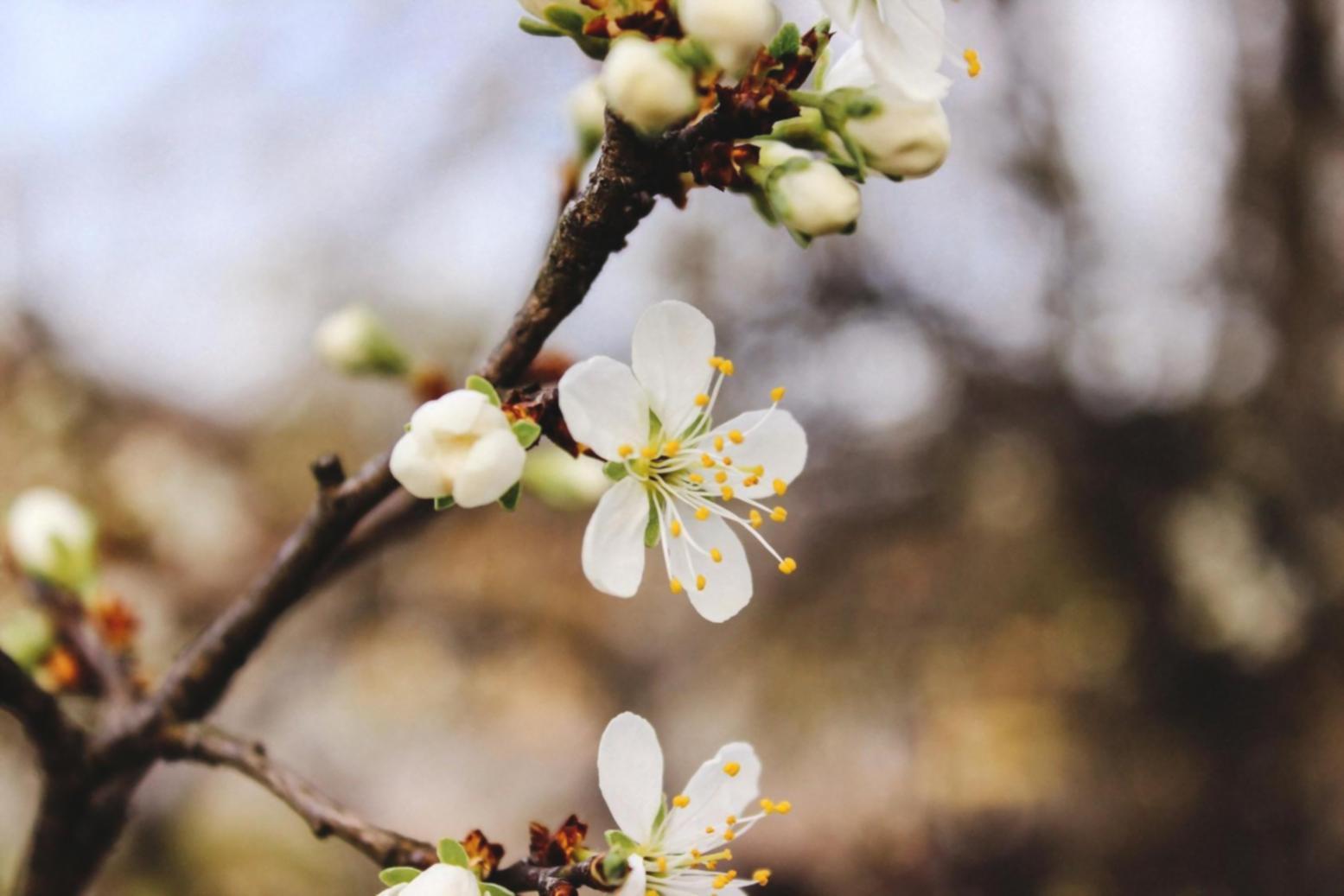
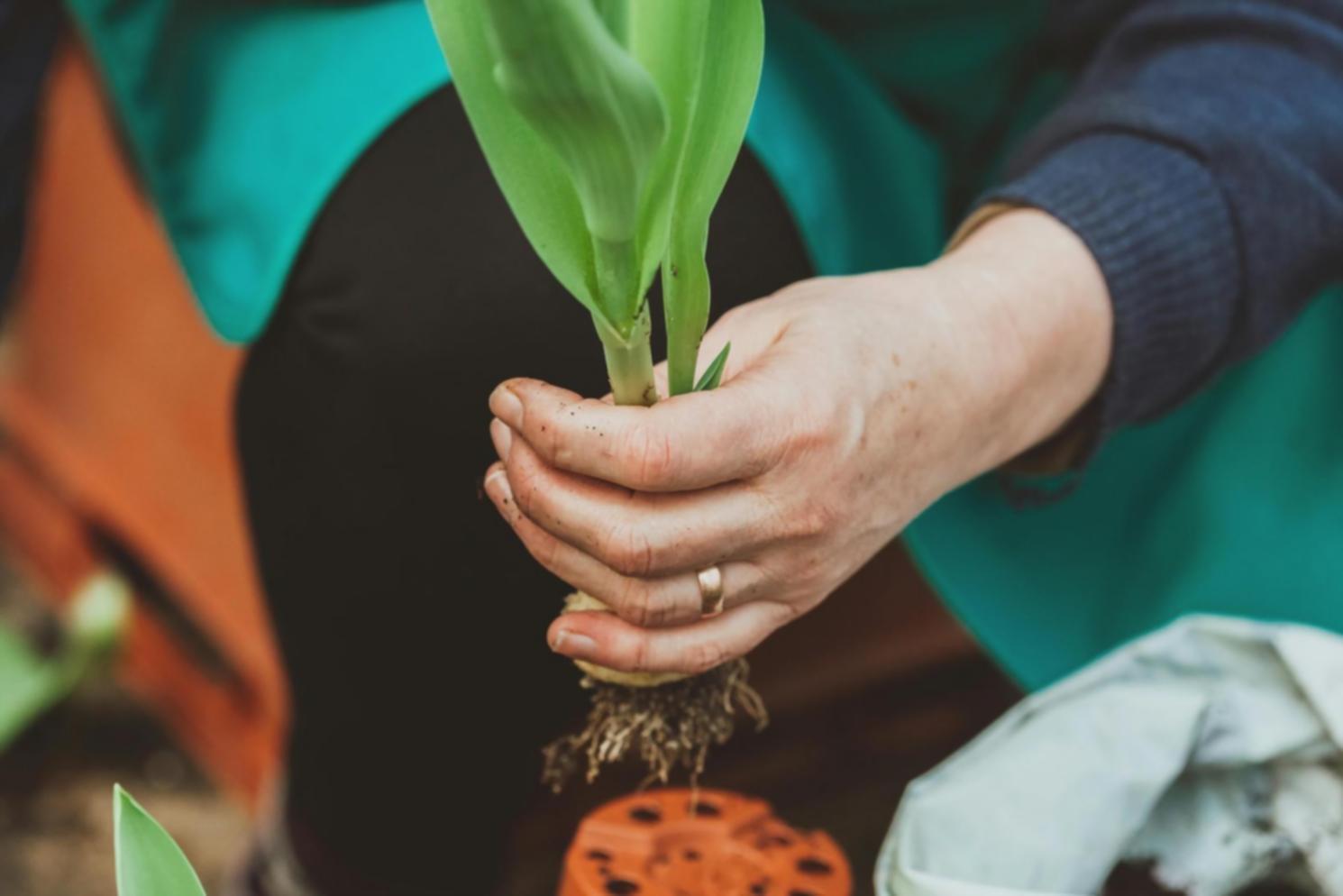
Short programs timed to material availability. Spring bulbs, autumn foliage, winter evergreens.

These run for two weeks and concentrate on making the most of what's fresh and abundant at that moment.

Business development

Pricing, client communication, proposal writing. Not design instruction, but the operational knowledge that turns skill into income.

Open to anyone who's completed at least one foundation course and wants to start taking paid work.

Current course offerings

Student working on a structured floral arrangement during class

Foundation in Floral Design

8 weeks 16 sessions Materials included

Covers stem preparation, structural mechanics, color relationships, and the twenty arrangements that form the basis of most professional work. You'll leave with a documented portfolio and the ability to execute commissions confidently.

Close-up of advanced floral composition techniques

Wedding and Event Florals

6 weeks 12 sessions Portfolio prerequisite

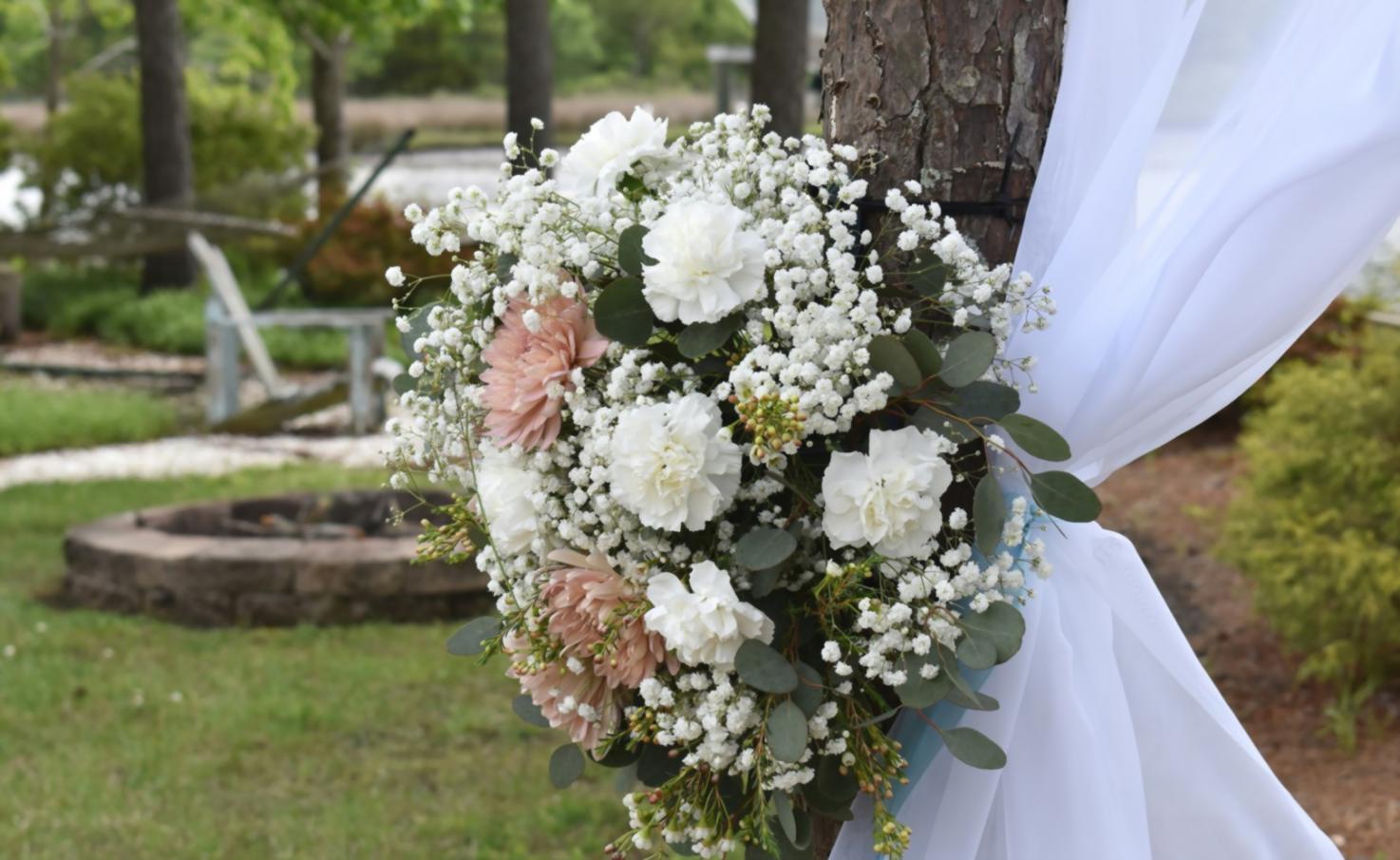
Focuses on large-scale installations, bouquet design, timing logistics, and client expectation management. Includes practice with ceremony backdrops, table centerpieces, and personal flowers. Final project is a complete wedding suite.

Variety of seasonal blooms prepared for arrangement study

Seasonal Design Intensive

2 weeks 6 sessions Open enrollment

Short concentrated program working exclusively with what's currently in season. Changes quarterly to match material availability. Teaches you to make design decisions based on what's fresh rather than forcing out-of-season blooms into arrangements.

When you need help between sessions

You'll run into problems when you're working alone. A stem won't cooperate, a color combination looks wrong, or an entire arrangement feels unstable.

Email response time averages under six hours during weekdays. Send photos of what's not working and you'll get specific guidance on how to fix it.

Office hours run twice weekly for video calls. These aren't scheduled appointments — just show up with your current project and talk through what you're stuck on.

The goal is to keep you moving forward between formal lessons. Most students use this support heavily in the first month, then less frequently as they develop their own diagnostic skills.

How this differs from workshop-style learning

Most floral workshops teach you to replicate one specific arrangement. You leave with a finished piece but limited understanding of why it works.

We focus on transferable technique

Each lesson introduces a mechanical principle or design concept that applies across many different arrangements. You learn the underlying structure, not just one aesthetic outcome.

That means you can adapt what you know to new materials, different client requests, and unexpected constraints. The skill becomes flexible rather than memorized.

Students complete an average of thirty-four distinct arrangements during foundation courses. Each one reinforces core techniques while introducing new variables.

By the end, you're not following templates — you're making informed decisions based on what the specific materials and context require.